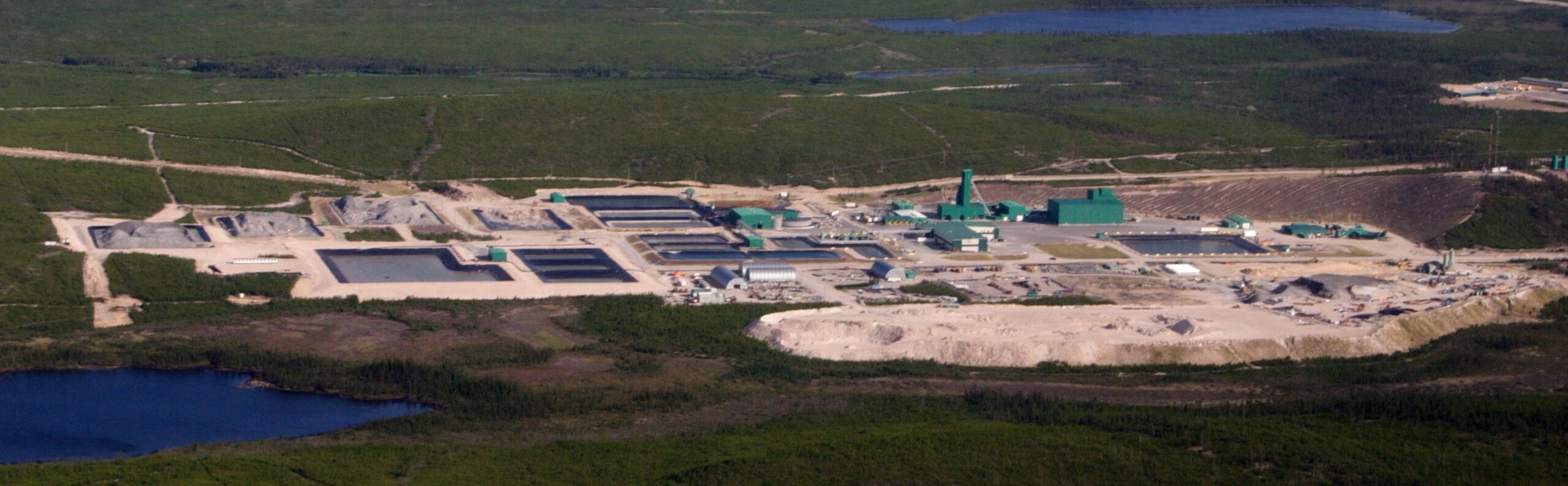
 McArthur River Native Title Compensation Case
McArthur River Native Title Compensation Case
McArthur River Native Title Compensation Case

Native title holders have a legal right to seek compensation when their rights and interests have been extinguished, impaired or otherwise affected. For many Traditional Owner groups, however, the path to compensation is complex, expensive and difficult to navigate.
Access to Native Title Compensation
Every native title holder has a legal right to seek compensation for the loss or impairment of their native title rights. In practice, however, many Traditional Owner groups face significant barriers in accessing compensation. First Nations communities face decade-long, expensive legal battles to access compensation owed to them.
Barriers include complex and costly land analysis processes, resource-intensive evidence gathering, and limited access to legal support.
The NNTC works on behalf of its members to address these barriers and deliver fair, efficient pathways to settlement.
Our key initiatives include:
In Griffiths v Northern Territory (Timber Creek), the High Court awarded just over $2.5 million in compensation, reinforcing that payments are due for both economic and cultural loss, including interest.
By strengthening access to native title compensation, the NNTC supports its members to secure their legal entitlements and build stronger economic futures.
For more information about our work on native title compensation, contact Clinton Benjamin, Director of Native Title, clinton.benjamin@nntc.com.au.
A compensation application is made to the Federal Court by or on behalf of native title holders, and is usually heard after native title has been determined. The Court considers what rights existed, what acts affected them, and what those acts extinguished or impaired.
Compensation is assessed in three parts: the economic value of the rights affected, interest on that value from the date of the act, and a separate amount for cultural loss — the effect on the connection between people and Country. The High Court set out this approach in the Timber Creek decision in 2019.
Establishing what happened to a parcel of land, and when, means tracing every grant, lease, reservation and public work back through decades of records. That tenure analysis is slow and expensive, and it has to be done before the size of a claim can even be estimated.
Evidence of cultural loss rests with senior knowledge holders, and it cannot be recovered once they have passed. Preserving that evidence early is one of the most practical things a group can do, and one of the most commonly deferred.
A National Compensation Framework would set clear, fair standards for compensating native title holders when their rights are impaired by governments or third parties, and give both sides certainty about what is owed and how it is calculated.
Without one, every group litigates the same questions from the beginning, at their own cost, against parties with far greater resources.
McArthur River Native Title Compensation Case
 Native Title Compensation: High Court Timber Creek Decision
NNTC Case note Commonwealth of Australia v Yunupingu [2025] HCA 6
Native Title Compensation: High Court Timber Creek Decision
NNTC Case note Commonwealth of Australia v Yunupingu [2025] HCA 6
 Native Title Compensation Presentation from the 2025 AIATSIS summit
 Native Title Compensation Videos – Part 1 What is Native Title
 Native Title Compensation Videos – Part 3 Making a Native Title Compensation Claim

Become a member of the NNTC and join our collective effort to empower traditional owners, advance First Nations rights, and strengthen the native title system. Together, we are stronger.
Become a member