
What we do
Our Work
We are the peak body for the native title sector. We represent and advocate for Traditional Owners, Prescribed Bodies Corporate, Traditional Owner Corporations, Native Title Representative Bodies and Native Title Service Providers across Australia.
Photo credit: Benjamin Warlngundu Ellis
Our work is guided by our members and grounded in a rights-based approach that upholds the United Nations Declaration on the Rights of Indigenous Peoples, including Free, Prior and Informed Consent.
Through advocacy, policy development, sector coordination, training and practical resources, we help members strengthen native title rights, protect Country and Cultural Heritage, and create stronger social, cultural and economic outcomes for their communities.
We bring Traditional Owners and native title organisations together to set shared priorities, influence national reform and build the capacity needed to exercise native title rights in practice.
What we work on
8 areas of work, each with its own programme of advocacy, reform and support.

01 of 08
Native title compensation
Native title holders have a legal right to seek compensation when their rights and interests have been extinguished, impaired or otherwise affected. For many Traditional Owner groups, however, the path to compensation is complex, expensive and difficult to navigate.
The NNTC works with members to remove barriers to compensation and develop fair, efficient pathways to settlement. This includes advocating for a National Compensation Framework, supporting work on tenure analysis and preservation of evidence, sharing resources and updates, and connecting legal practitioners to address strategic issues across the sector.
By reducing duplication and cost, this work helps Traditional Owners understand and pursue their legal entitlements while strengthening the economic foundations needed to care for Country, sustain strong organisations and create intergenerational opportunity.

02 of 08
Cultural Heritage law reform and Dhawura Ngilan best practice Standards
The First Nations Heritage Protection Alliance is leading the development of proposed reforms to federal First Nations Cultural Heritage protection laws, following the 2020 parliamentary inquiry into the destruction of the 46,000-year-old Juukan Gorge rock shelter in the Pilbara, which exposed major flaws in Australia's Cultural Heritage protection framework.
As secretariat for the Alliance, the NNTC supports First Nations-led advocacy for stronger national laws and better practice across government, business and industry, drawing on the Dhawura Ngilan best practice Standards and promoting Free, Prior and Informed Consent as the standard for decisions affecting Cultural Heritage.
Find out more about the Alliance
The Dhawura Ngilan Business and Investor Initiative is supporting businesses and investors to embed First Nations-led cultural heritage standards into governance, strategy, operations, and due diligence. “Dhawura Ngilan” means Remembering Country in the Ngunnawal language. Implementing the Dhawura Ngilan principles helps companies and investors engage First Nations communities, reduce risk, and strengthen social licence. The Alliance is leading the Initiative in partnership with Responsible Investment Association Australasia and UN Global Compact Network Australia.
Find out more about the Initiative
Dhawura Ngilan Business and Investor Initiative

03 of 08
Economic rights
The NNTC advocates for structural reforms that enable Traditional Owners to build long-term wealth from their lands and waters.
We work with members, governments, the First Nations Economic Empowerment Alliance and sector partners to improve access to capital, strengthen benefit-sharing and support new models for equity, investment and long-term wealth management.
Our advocacy includes exploring practical mechanisms such as a national Traditional Owner guarantor fund and improved financing options for projects on Country. We also work to ensure economic development upholds Cultural Heritage, FPIC and the priorities of Traditional Owners.
As a result, members are better placed to secure stronger agreements, develop sustainable revenue streams, create jobs and build economic futures that are aligned with cultural values and community priorities.

04 of 08
Funding for Traditional Owner organisations
Prescribed Bodies Corporate and other Traditional Owner organisations carry significant statutory, cultural and community responsibilities. Many are expected to manage native title rights, engage with proponents, protect Cultural Heritage and build economic opportunities without having enough baseline funding to employ one staff member.
The NNTC works with the PBC Steering Group, NTRB/SP leaders and government to advocate for sustainable, long-term funding for the native title sector. We support reform options that increase organisational capacity and recognise the full scope of responsibilities carried by Traditional Owner organisations.
Sustainable funding strengthens governance, agreement-making and service delivery, giving Traditional Owner organisations the resources to make decisions, protect rights and pursue community priorities on their own terms.

05 of 08
Future acts regime reform
The future acts regime in the Native Title Act sets out the processes that apply when proposed activities may affect native title rights and interests. The Australian Law Reform Commission conducted a review of the future acts regime in 2025-26. The NNTC is working with members to ensure any reforms to the regime improve procedural rights, strengthen negotiation outcomes and increase options for benefit-sharing.
The NNTC works with members to coordinate sector-wide advocacy for reforms that strengthen Traditional Owner decision-making, uphold FPIC, improve agreement-making and ensure the rights of native title holders are treated fairly when development is proposed on Country.

06 of 08
Water rights
Water is central to culture, wellbeing, Country and economic opportunity. The NNTC advocates for recognition of Traditional Owners’ rights to inland waters and for water laws, targets and policies that reflect the connection between land, water, culture and self-determination.
We support members through policy advocacy, information sharing and engagement in Closing the Gap inland water target processes. We also work with state and territory governments, Aboriginal and Torres Strait Islander peaks and Traditional Owner organisations to ensure reforms are informed by First Nations priorities and the principle of cultural flows.
Greater Traditional Owner participation in water planning and management strengthens recognition of cultural and economic water rights and creates pathways for water to sustain Country, communities and future generations.
07 of 08
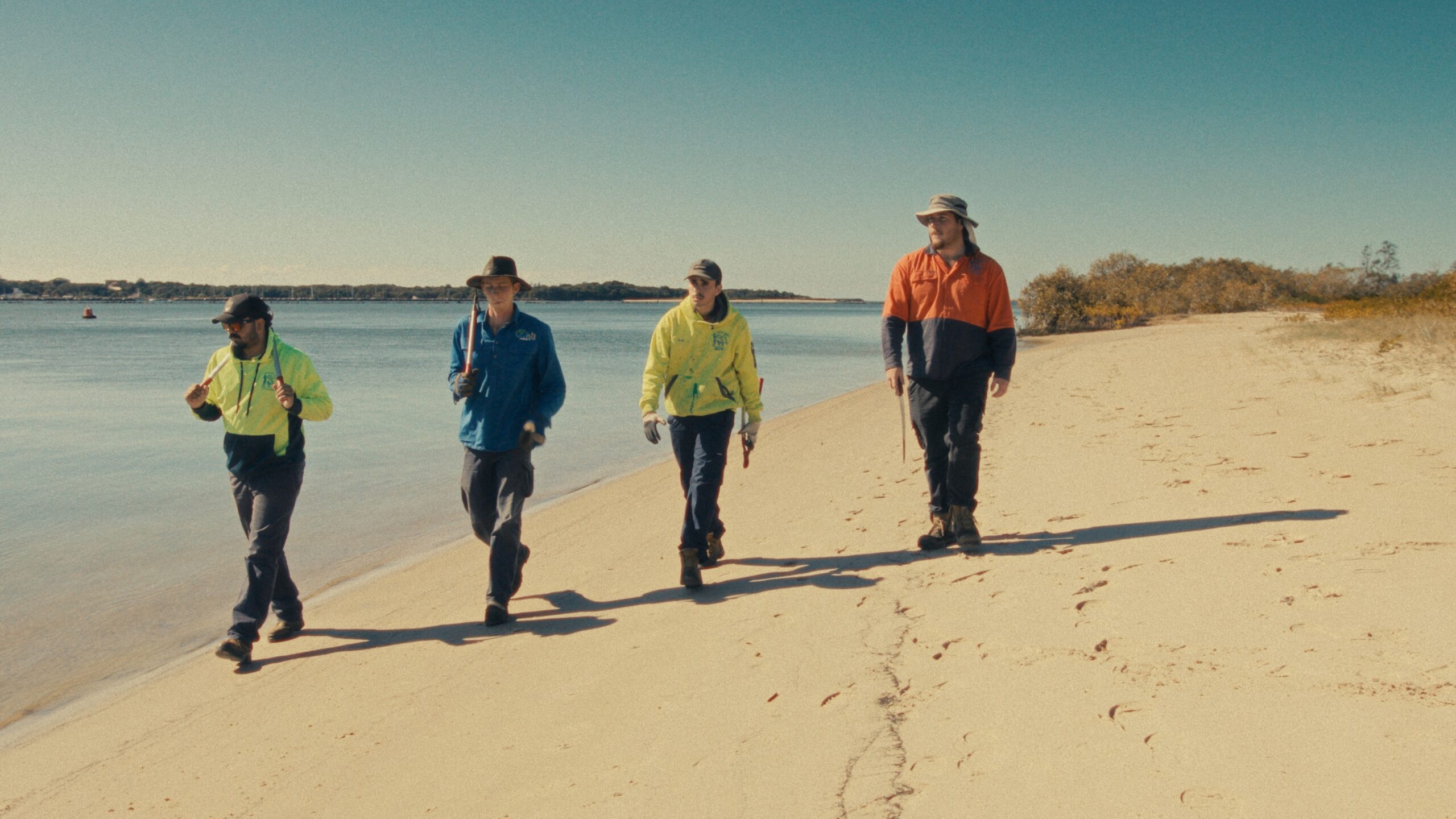
Young people in native title
The future of the native title sector depends on strong pathways for young people to learn, lead and participate in decisions about Country. The NNTC supports opportunities for young people to connect with Elders, directors, practitioners and peers across the sector.
Through forums, training and sector events, we encourage youth participation, mentoring and leadership development so that knowledge, governance capability and advocacy strength continue across generations.
The NNTC’s Youth Program strengthens succession planning in native title organisations, builds confidence and capability among emerging leaders, and supports young people to contribute to protecting rights, Country and culture.

08 of 08
Training, forums and events
The NNTC delivers training, forums and events that bring members together to share knowledge and strengthen governance practice. Our training program includes PBC director training and youth training. We also host regional forums, workshops and national sector gatherings with members.
Our events are designed to provide clear, practical information in culturally safe settings. They create opportunities for peer learning, networking and direct engagement with government, technical experts and sector partners.
Training builds member compliance and governance, connects organisations facing similar issues, and supports Traditional Owners to make informed decisions for their corporations and communities.